Miart 2026
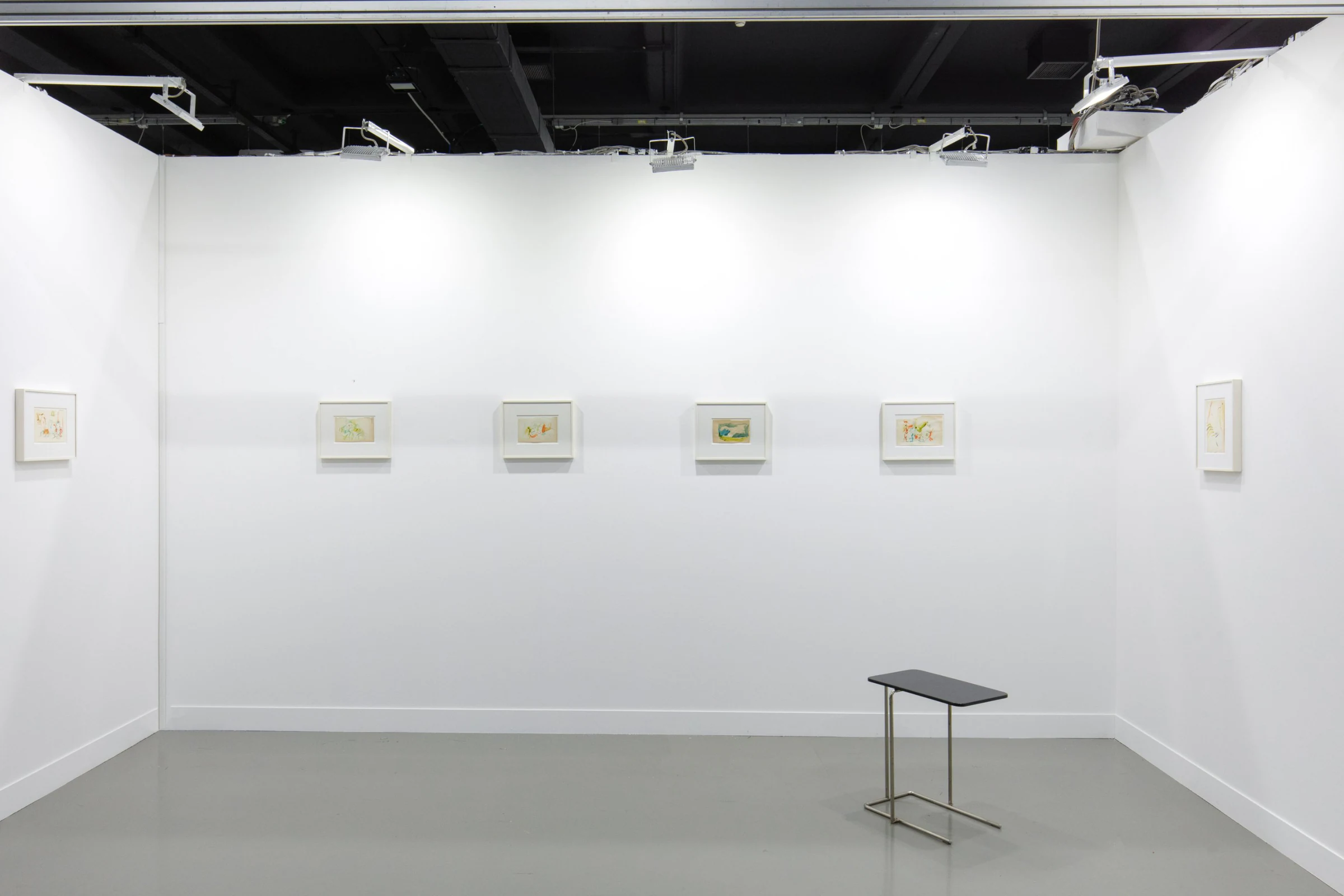
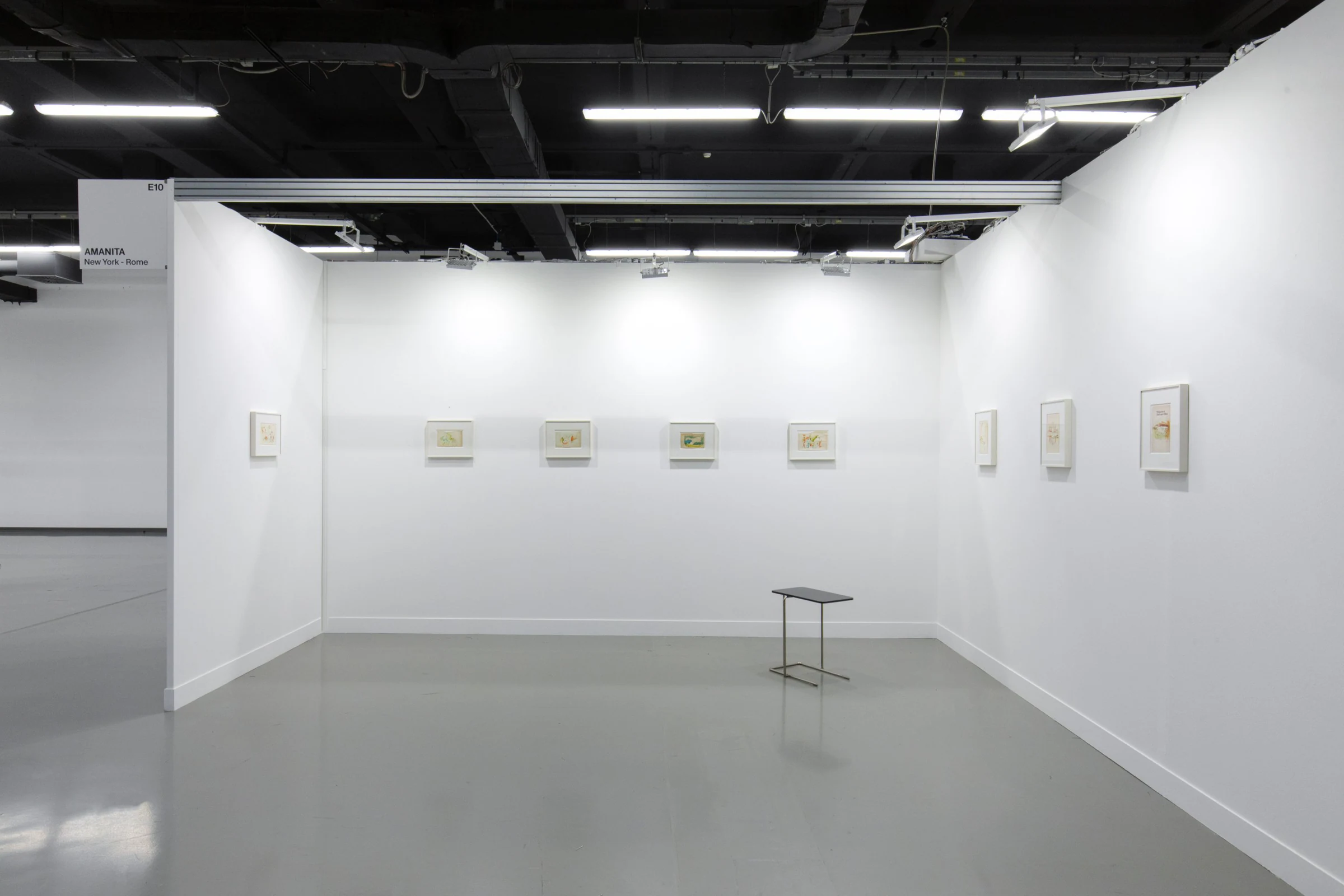
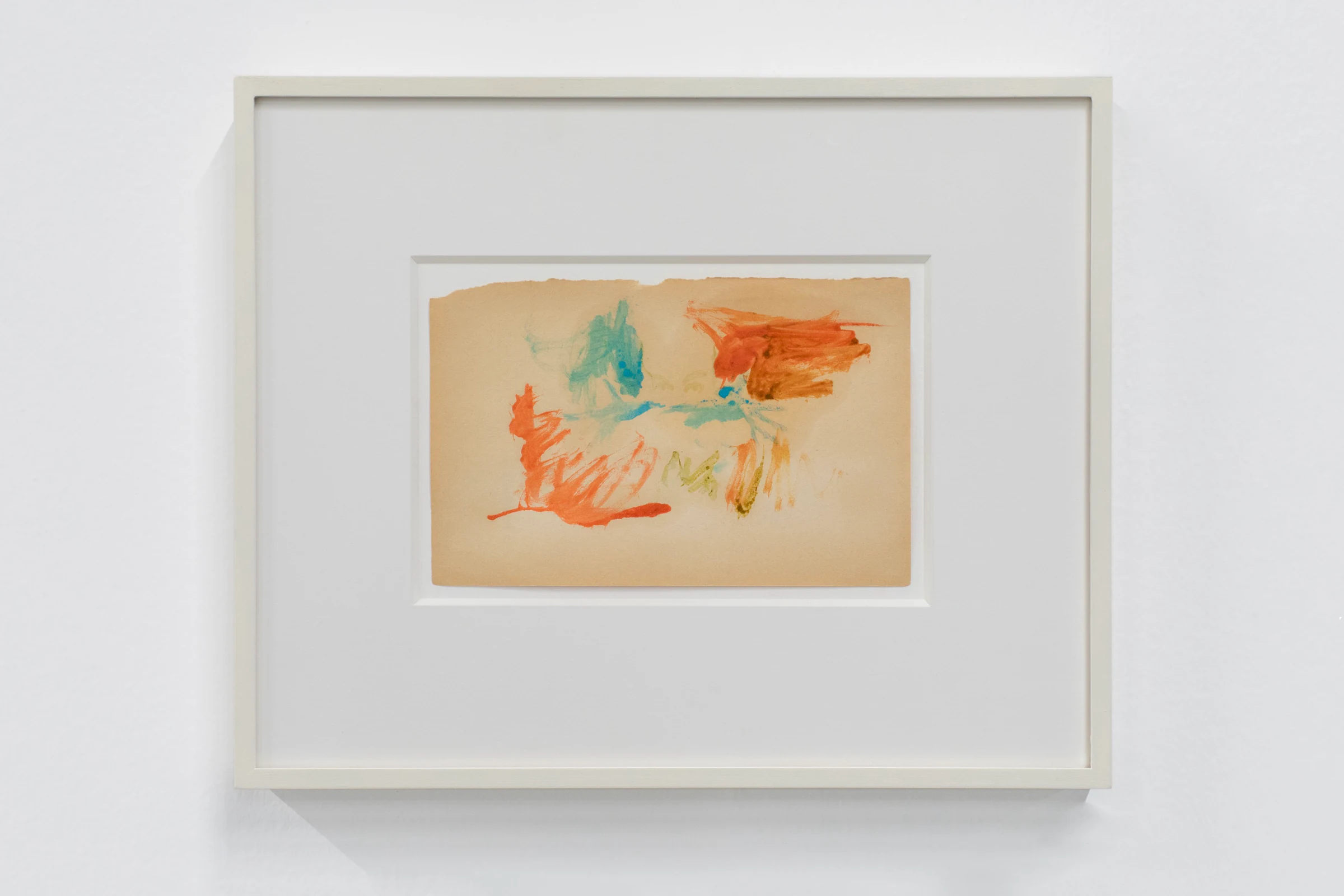
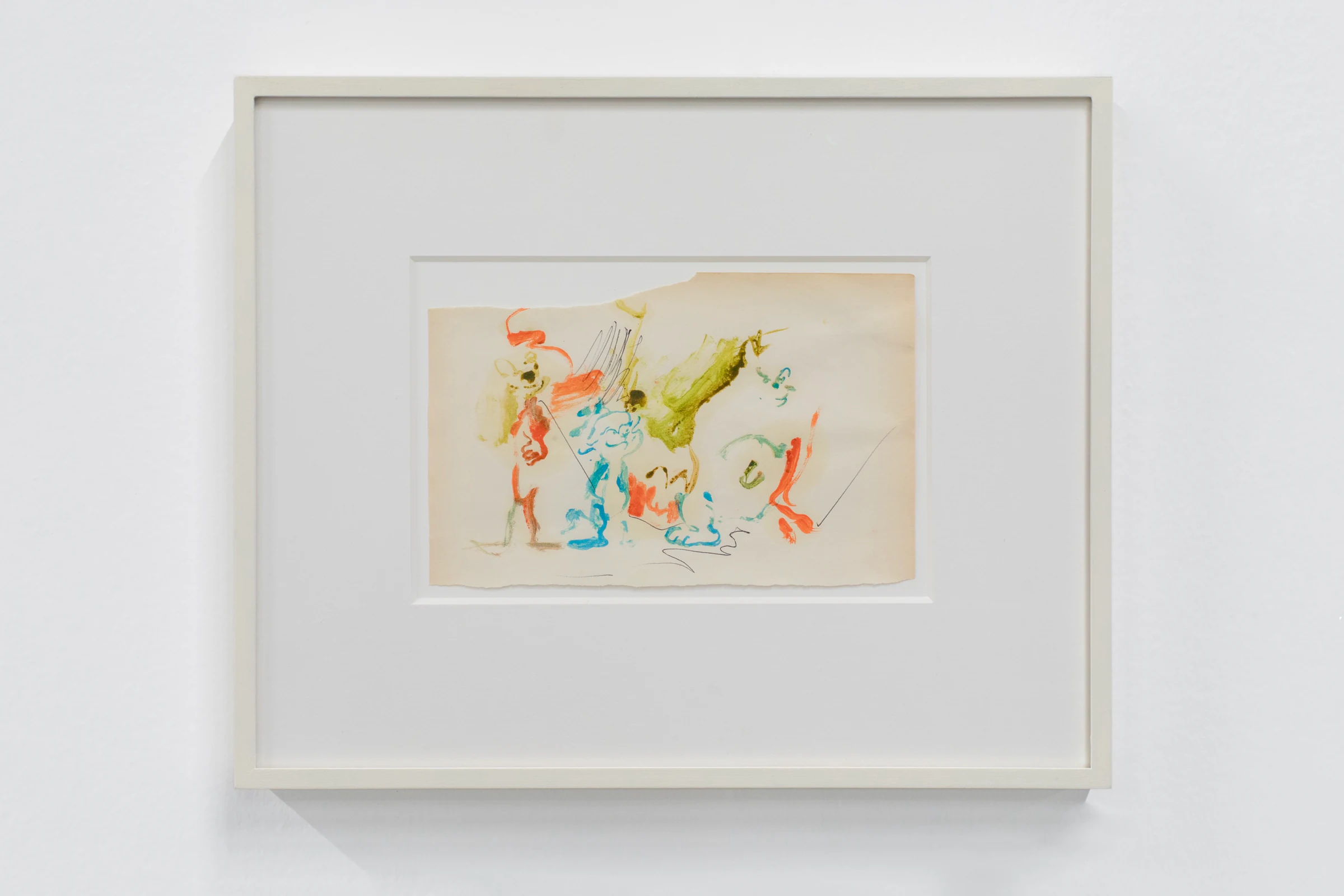
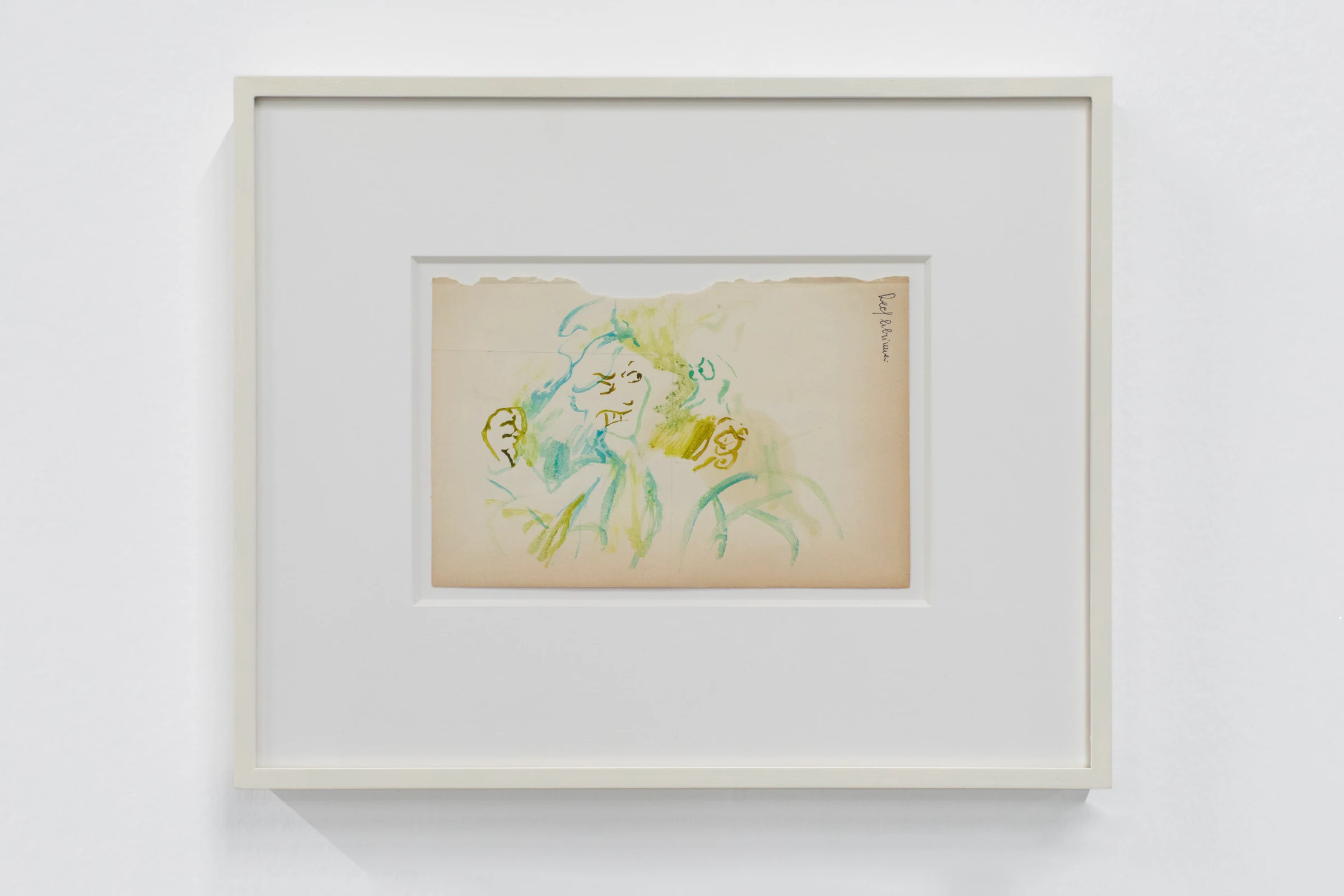
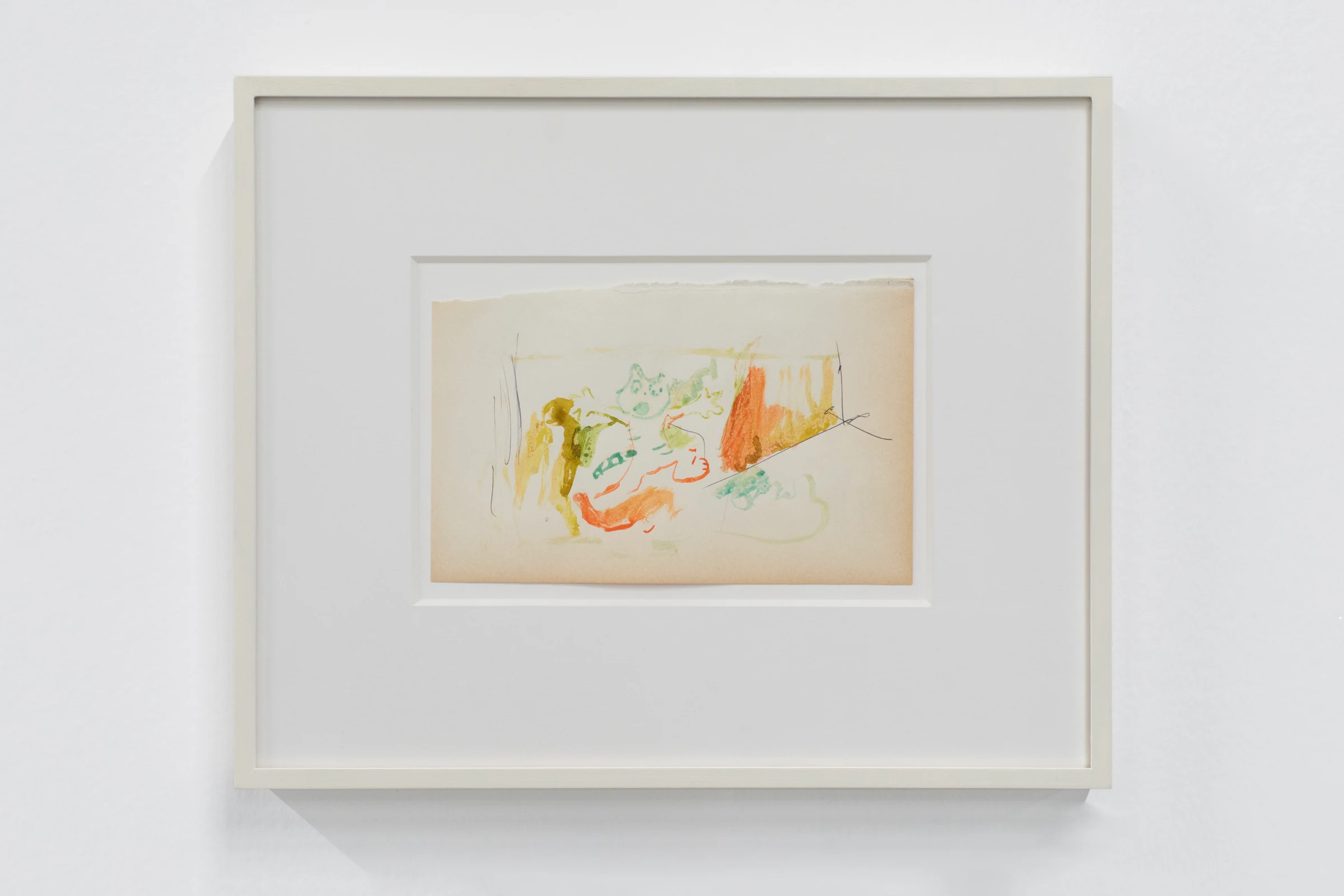
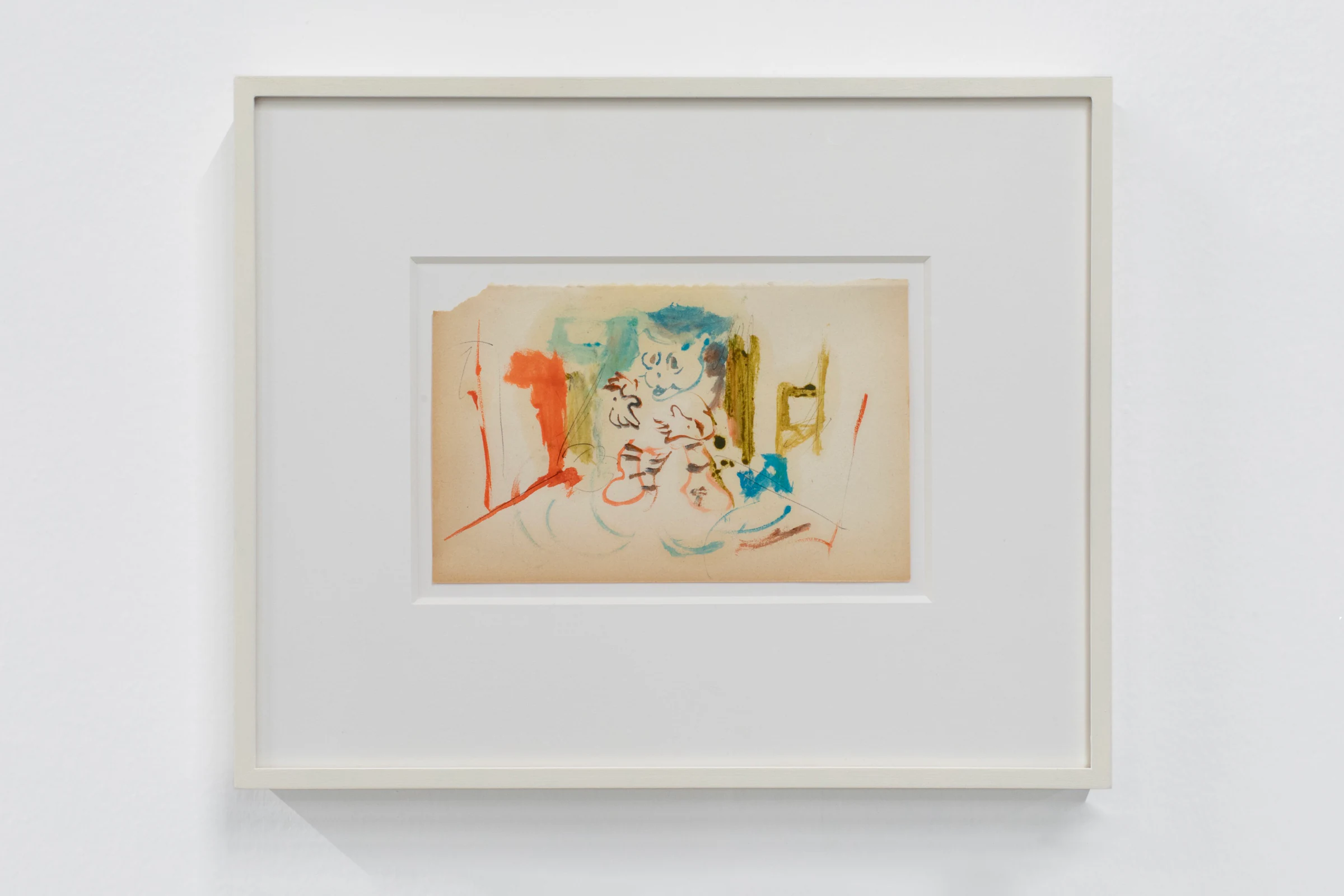
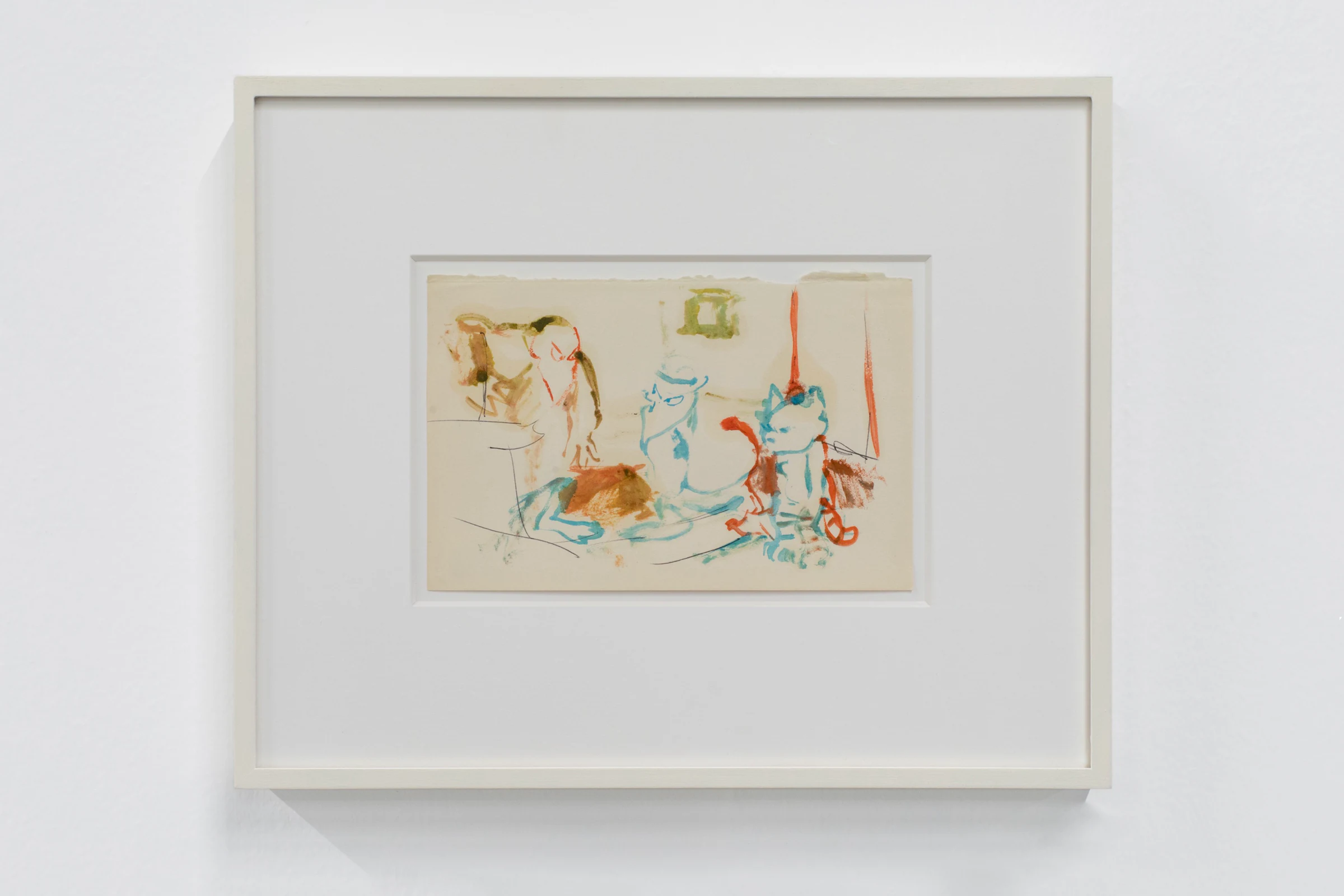
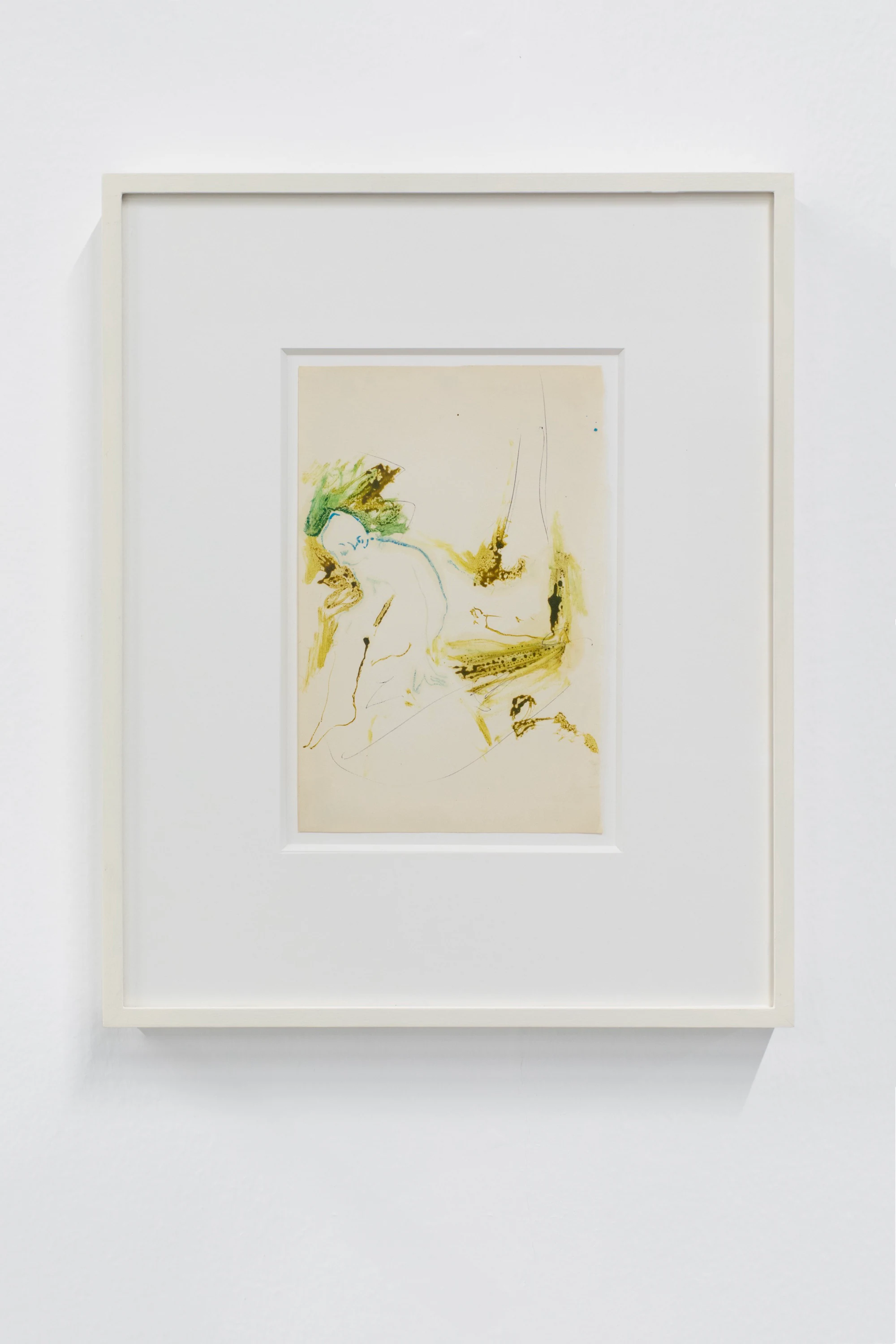
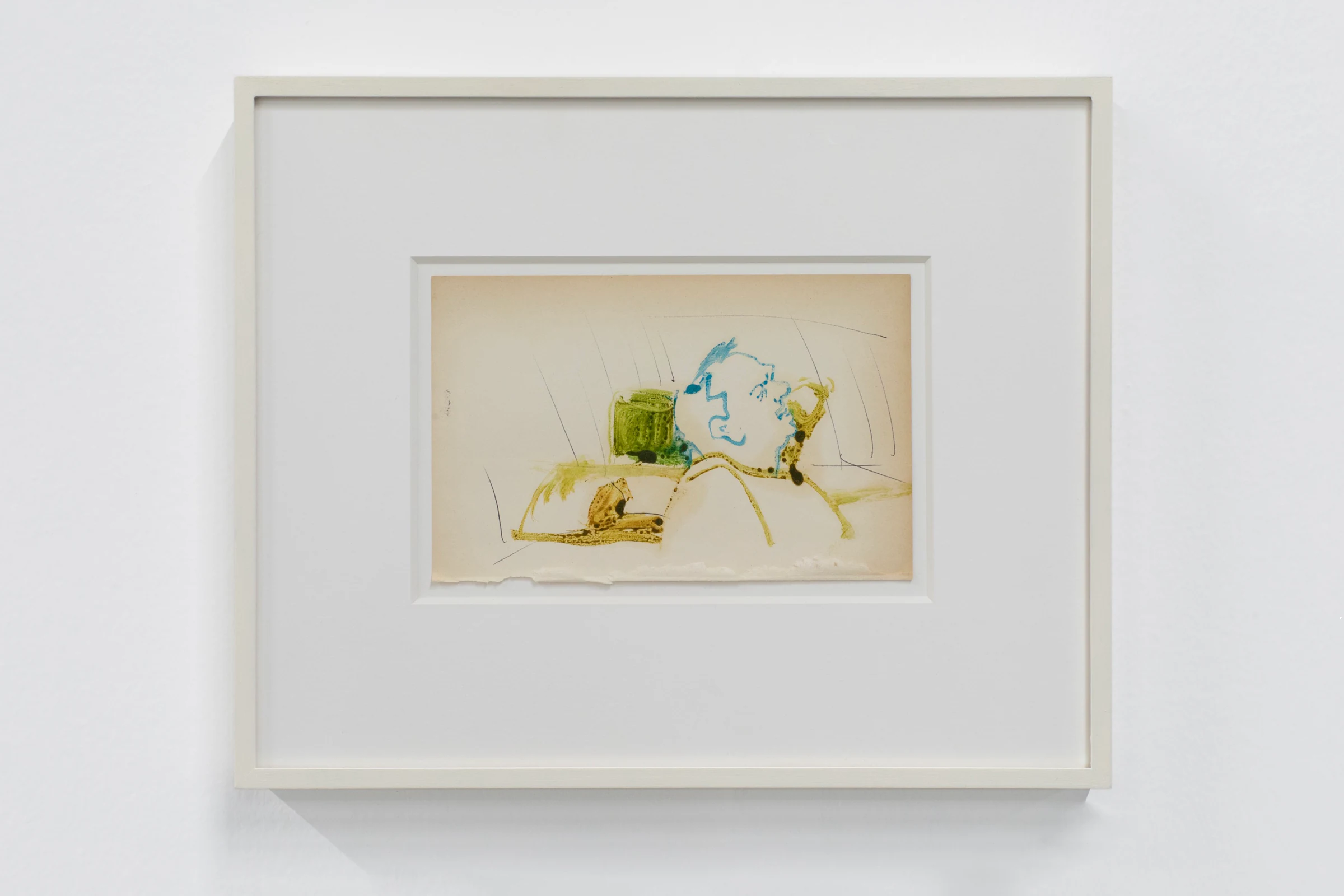
“So, today, I was watching the riding boots of a cavalry officer who was leaving his barracks. As I followed them with my eyes, I saw a piece of paper lying beside a puddle. I thought the officer was going to crush the paper into the mud with his heel, but no: he straddled paper and puddle in a single step. I went up to it: it was a lined page, undoubtedly torn from a school notebook.
The rain had drenched and twisted it, it was covered with blisters and swellings like a burned hand. The red line of the margin was smeared into a pink splotch; ink had run in places. The bottom of the page disappeared beneath a crust of mud. I bent down, already rejoicing at the touch of this pulp, fresh and tender, which I should roll in my fingers into greyish balls. I was unable.
I stayed bent down for a second, I read 'Dictation: The White Owl, then I straightened up, empty-handed. I am no longer free, I can no longer do what I will. Objects should not touch because they are not alive. You use them, put them back in place, you live among them: they are useful, nothing more. But they touch me, it is unbearable. I am afraid of being in contact with them as though they were living beasts. […]”
Excerpt from La nausea, Jean-Paul Sartre
Born on March 19, 1998 in Venice Marco Scarpi grew up in Cavallino-Treporti, a peninsular turistic town located between the sea and the lagoon. Scarpi’s visual language is characterized by a broad research in material experimentation, often influenced by his own personal experiences, creating enigmatic narratives challenging emotions and feelings both universal and specific. He currently lives and works in Florence.