Alessandro Twombly: The Armory Show
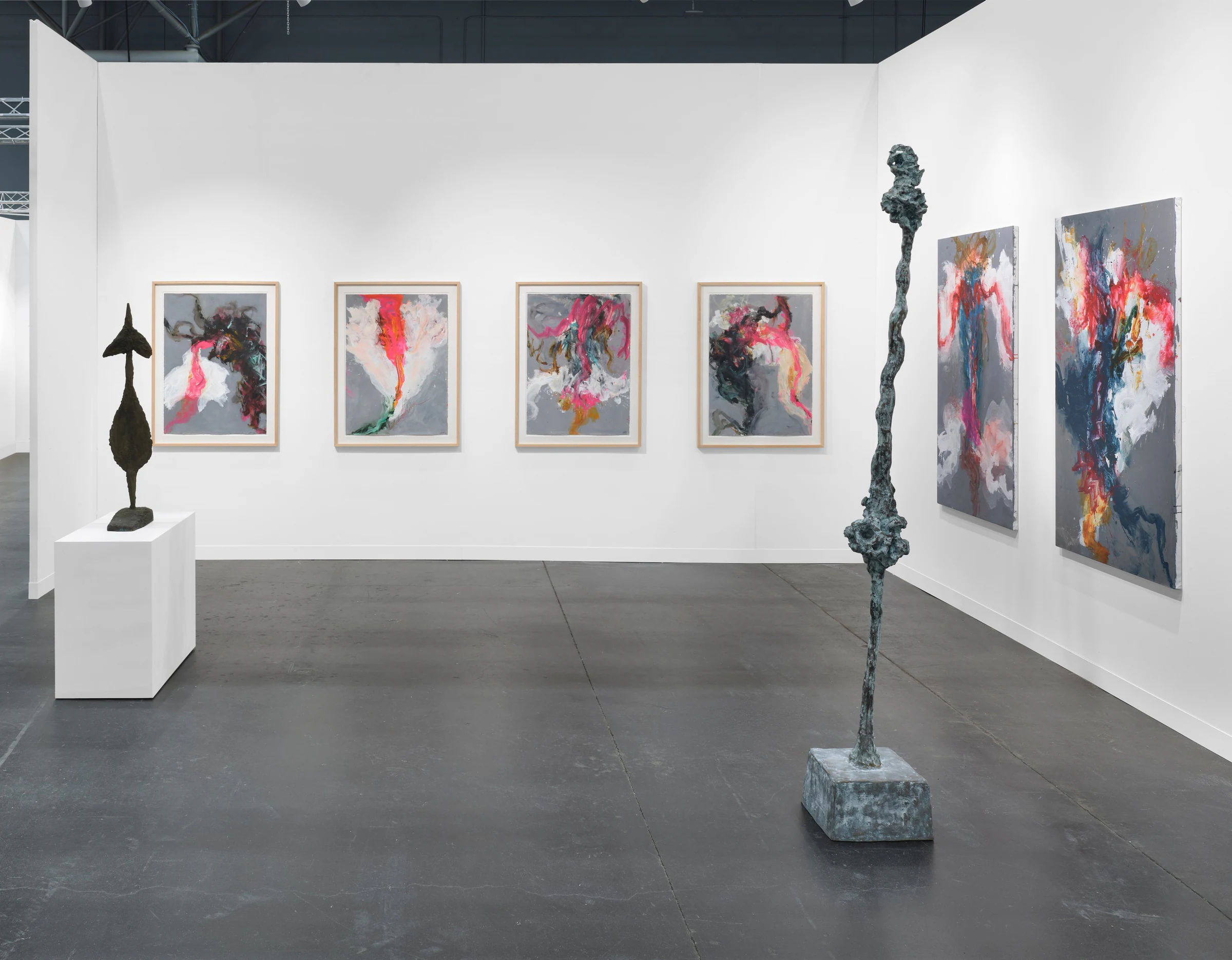
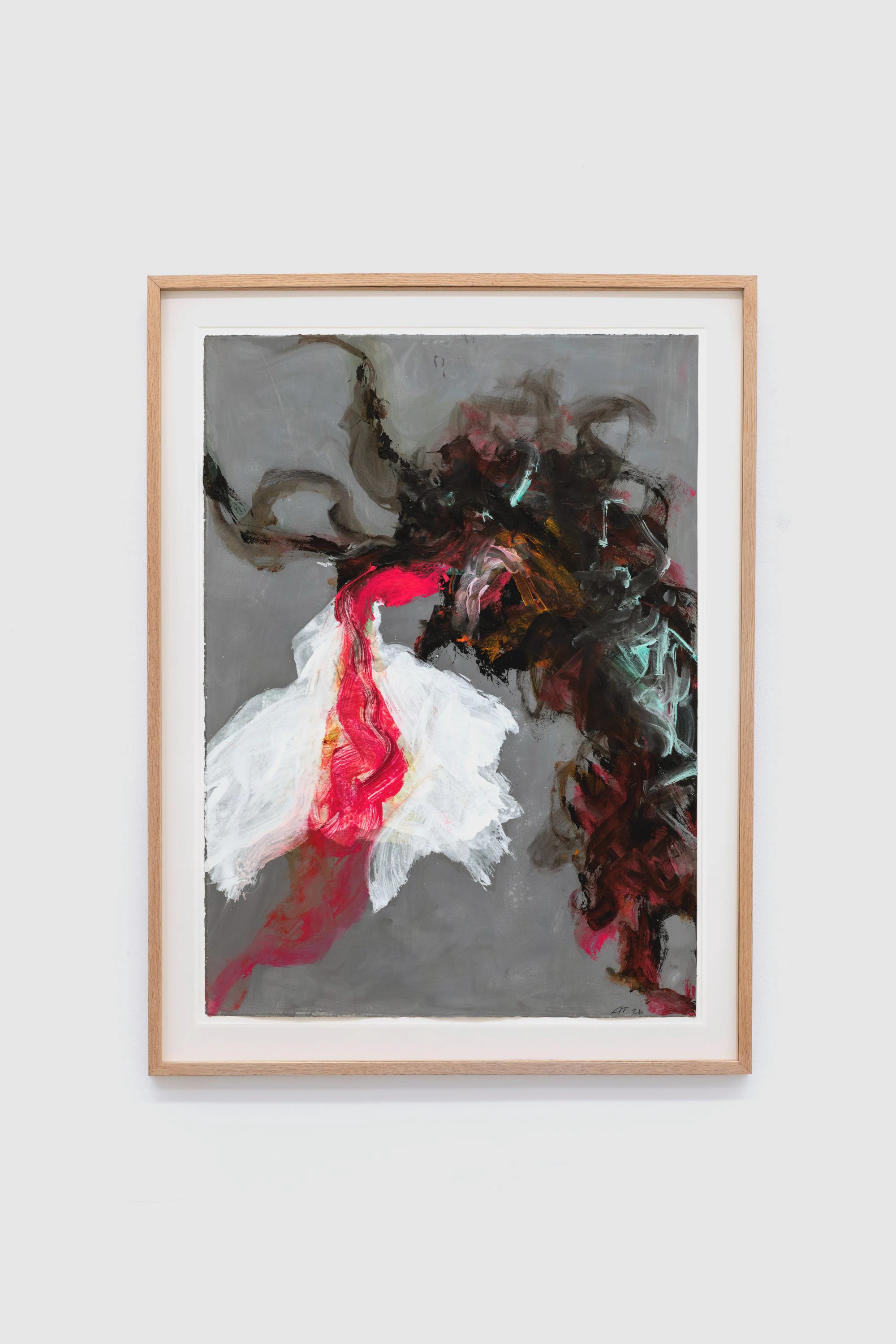
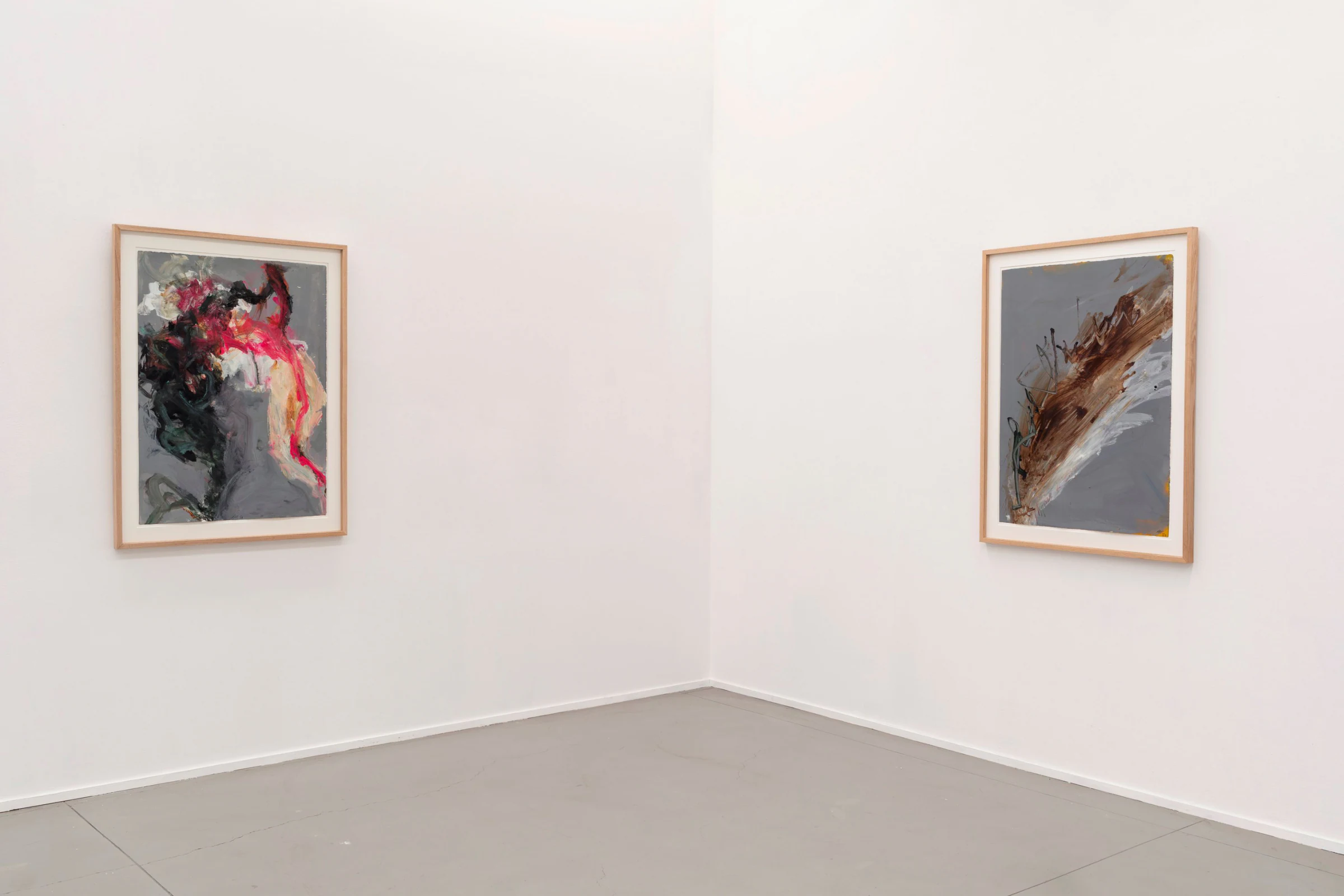
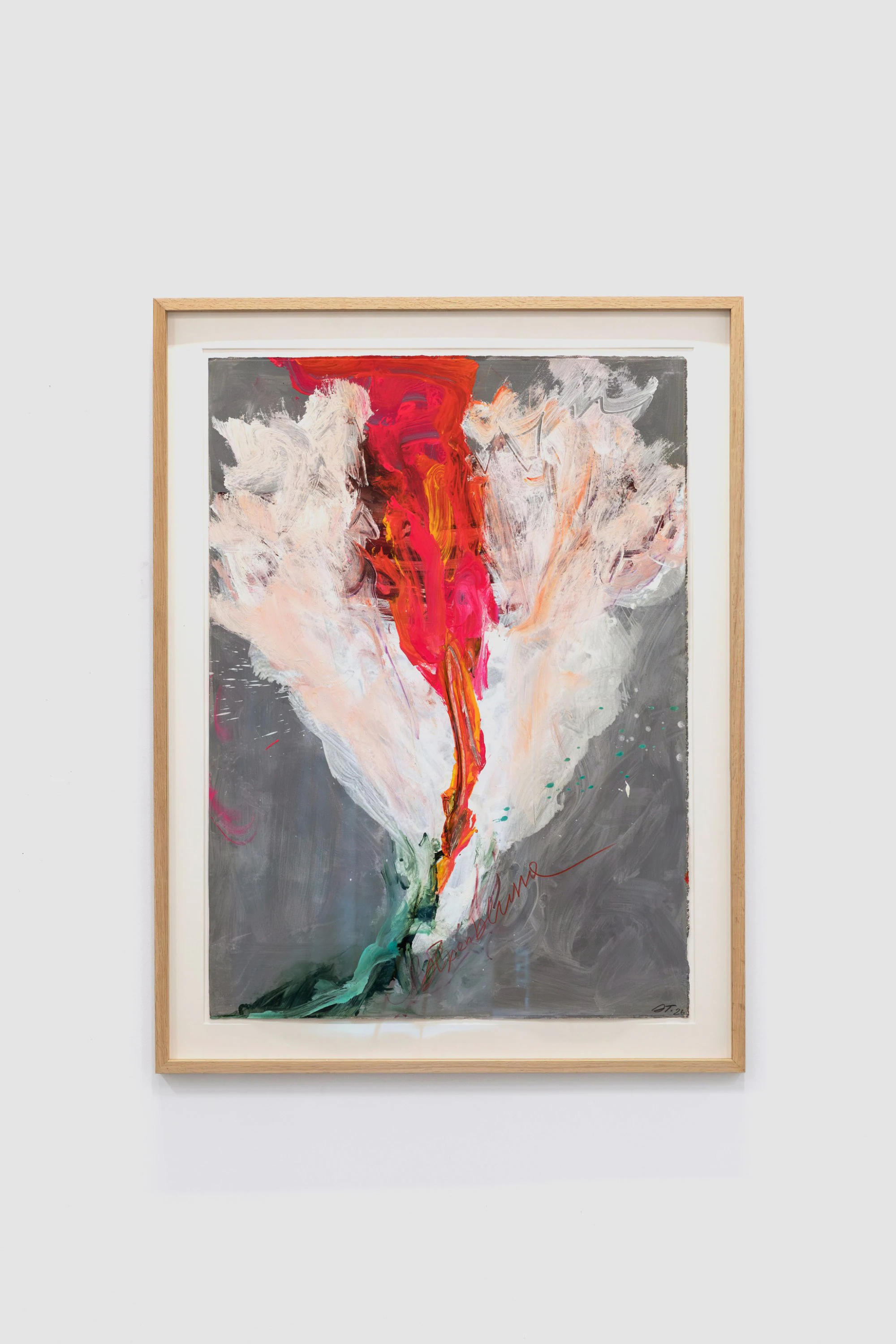
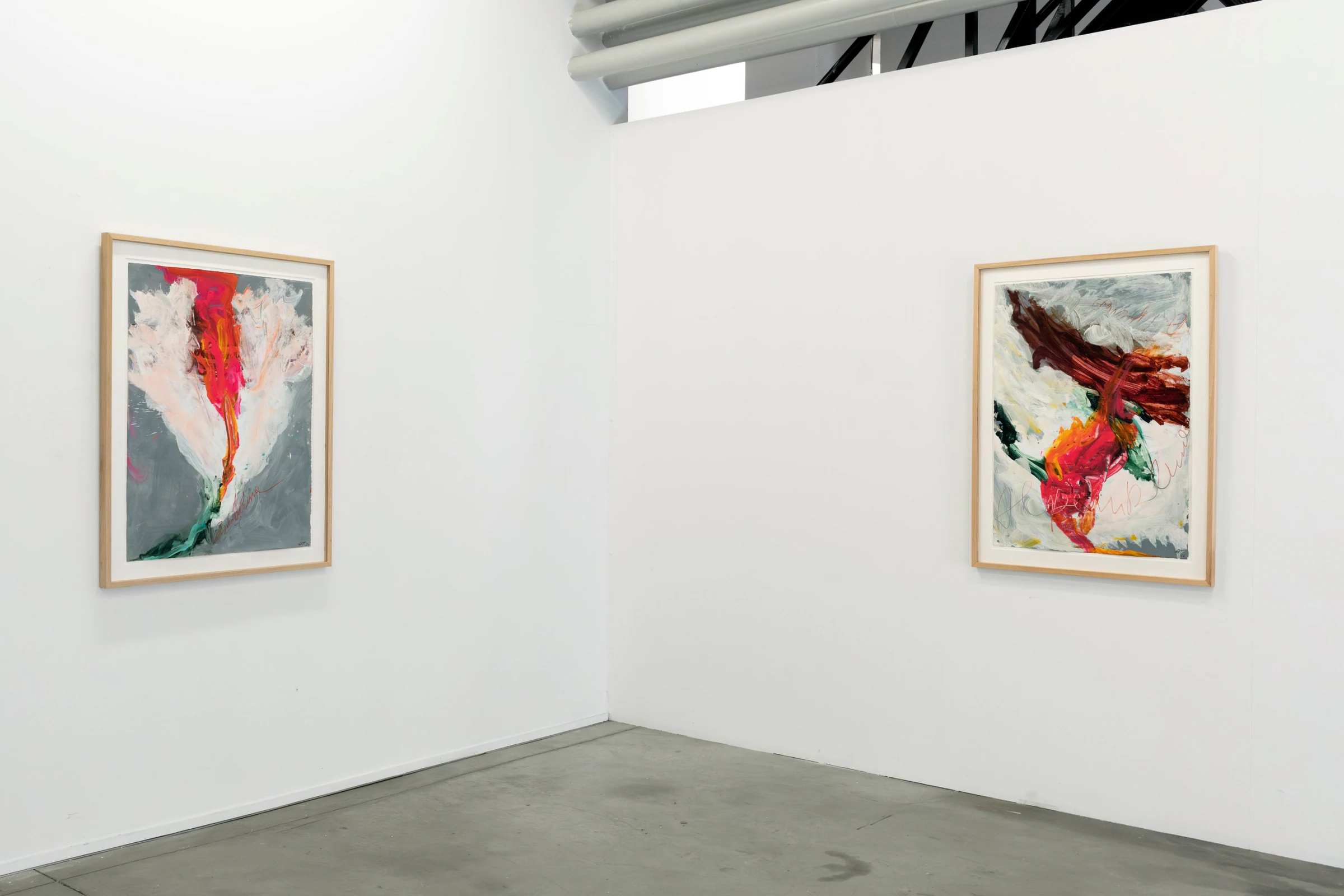
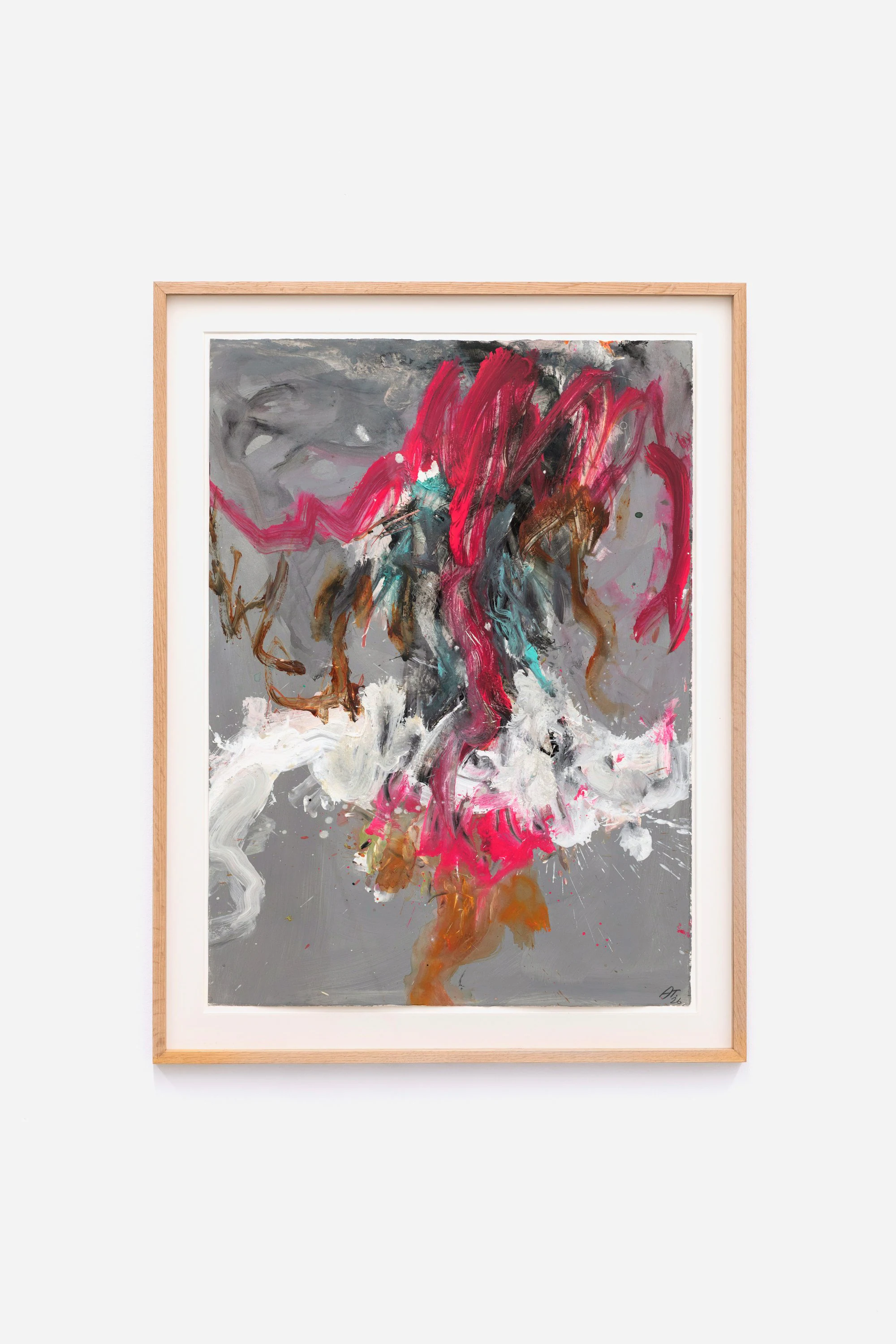
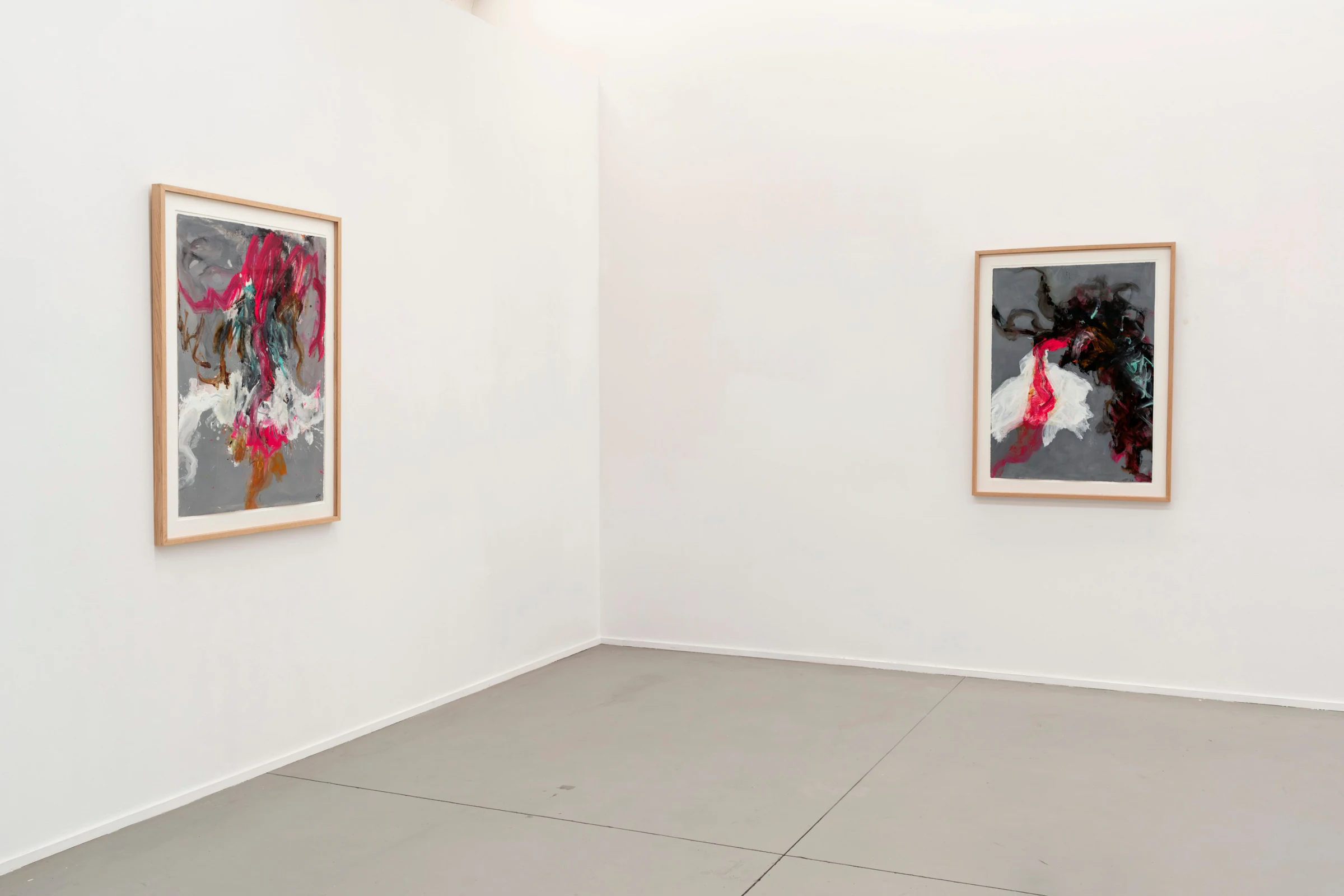
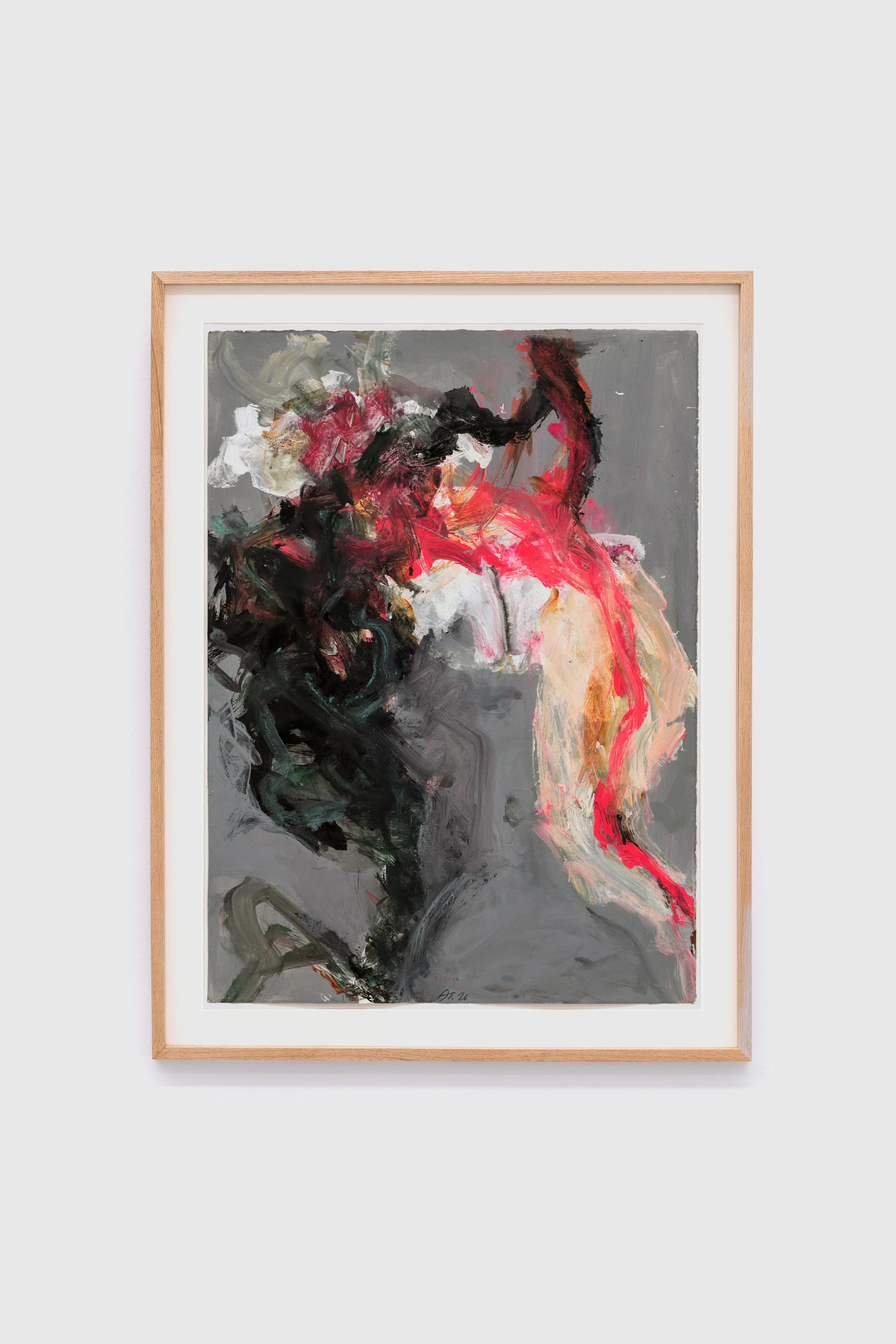
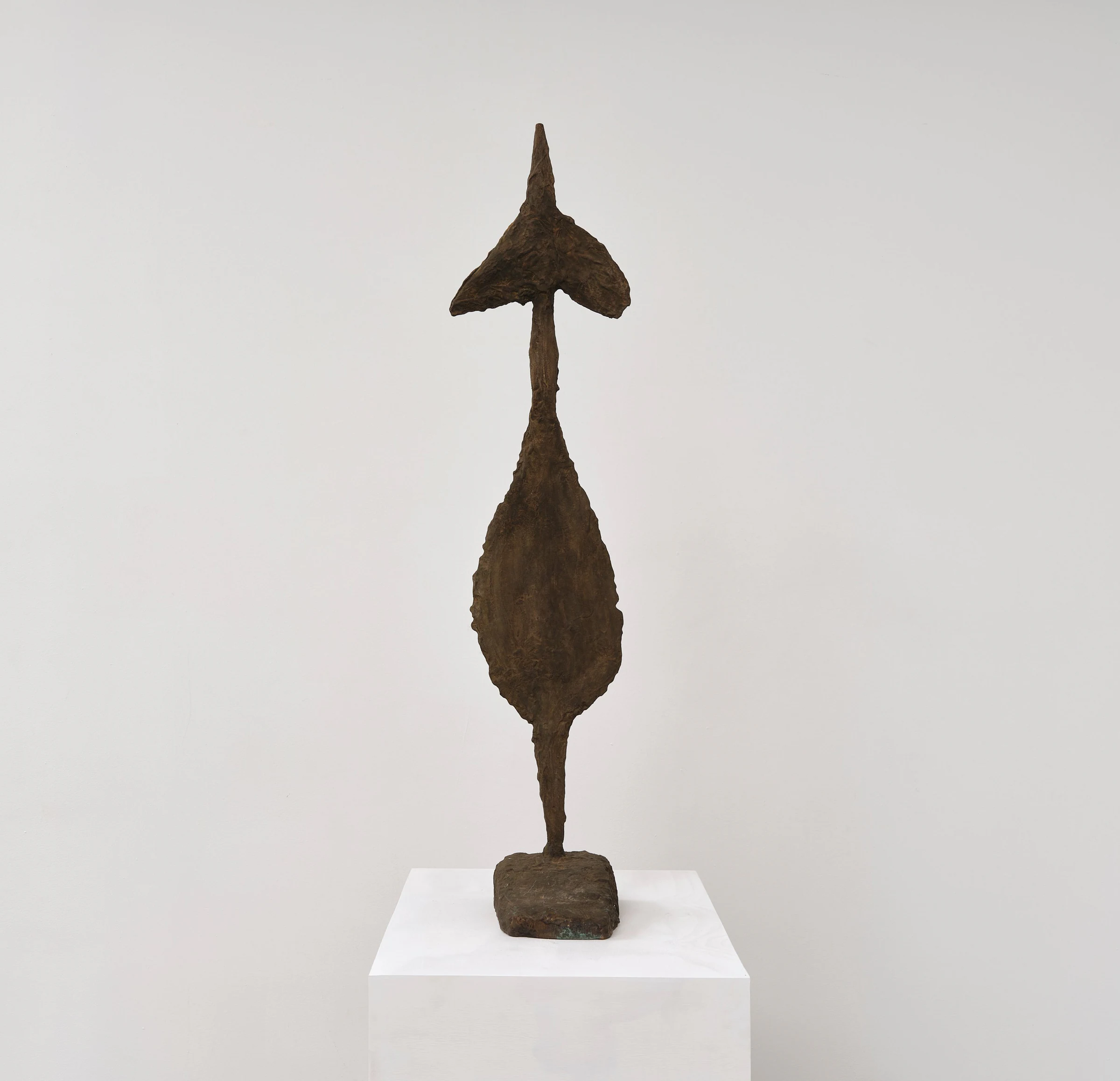
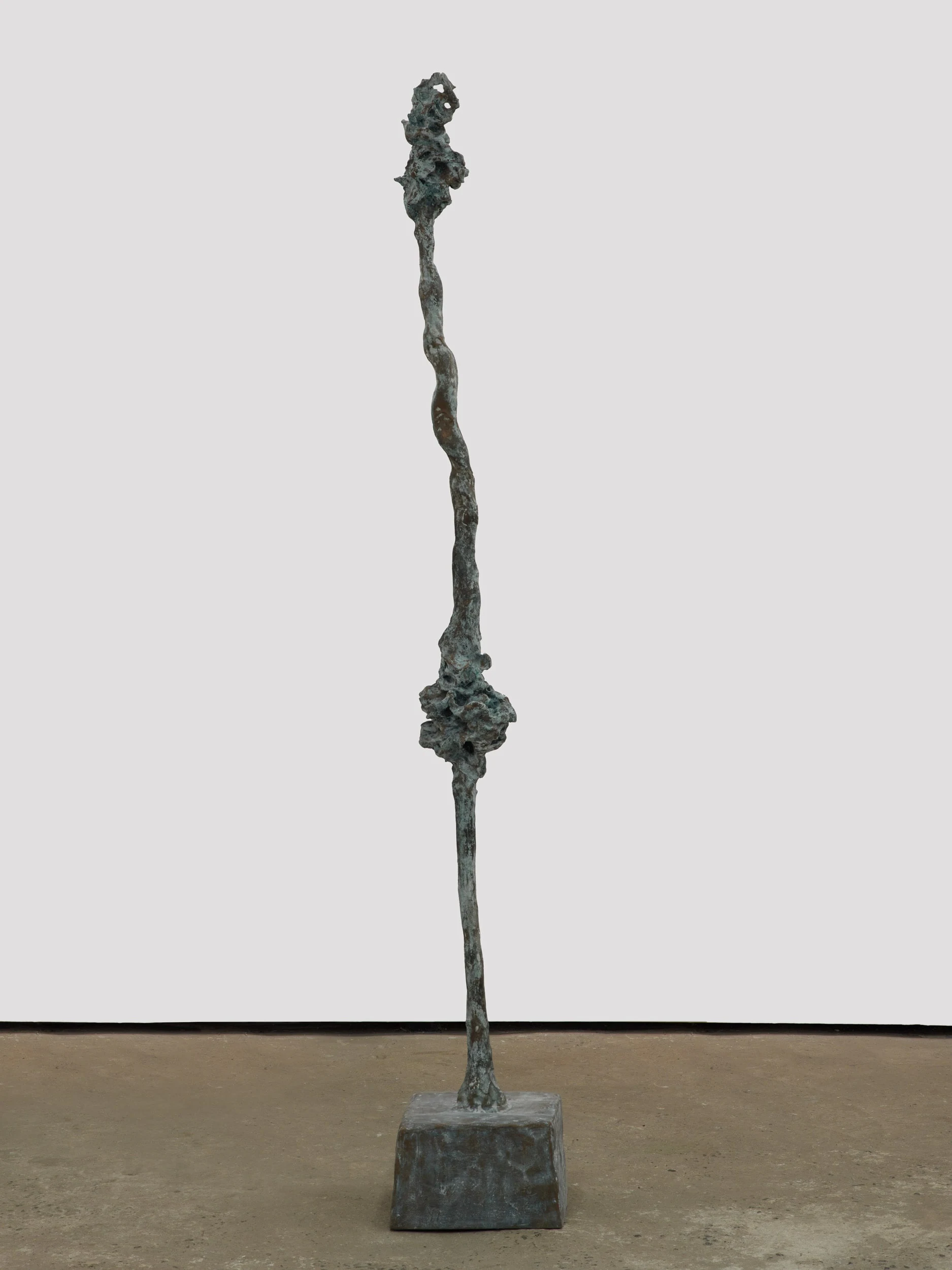
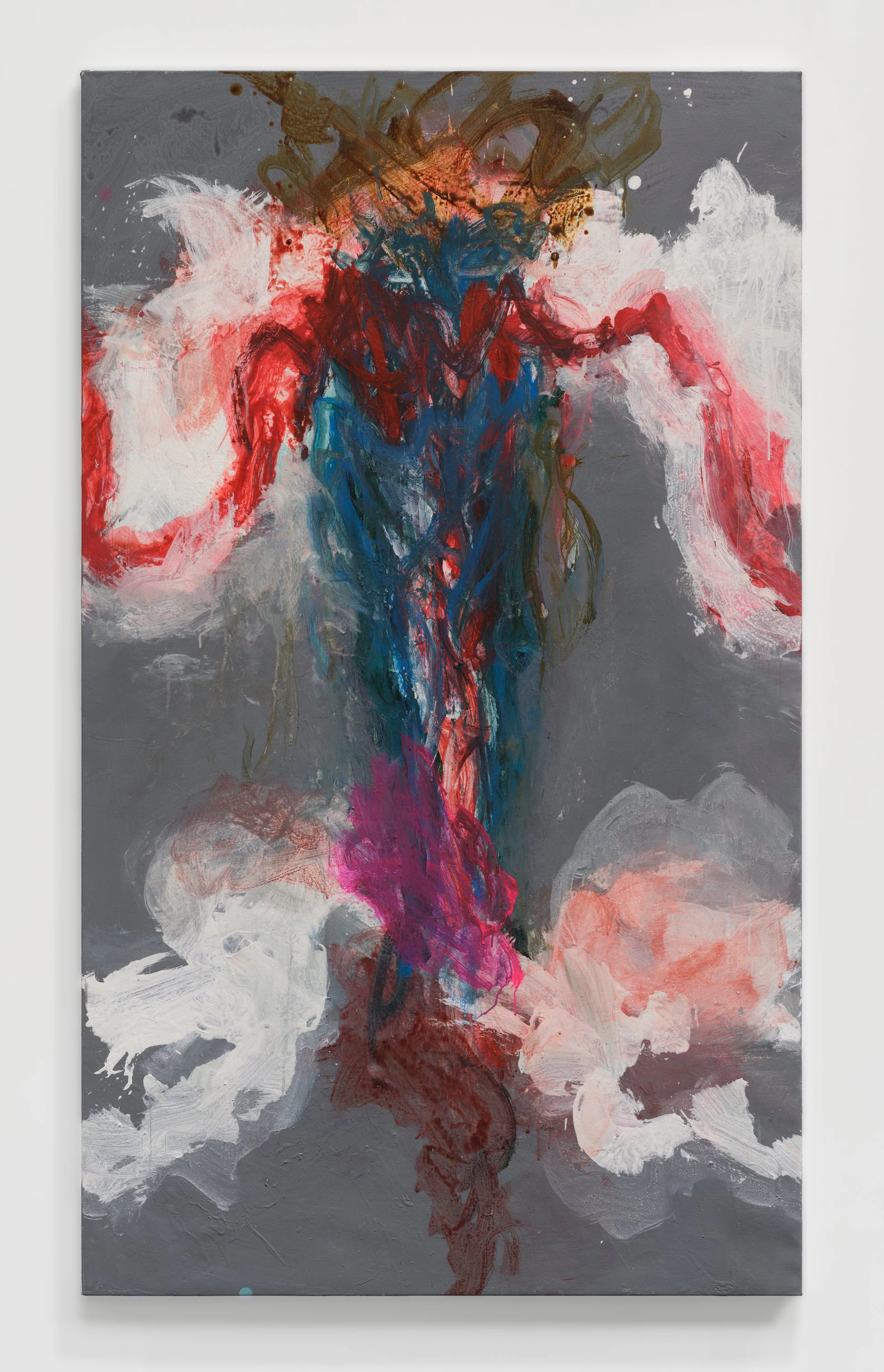
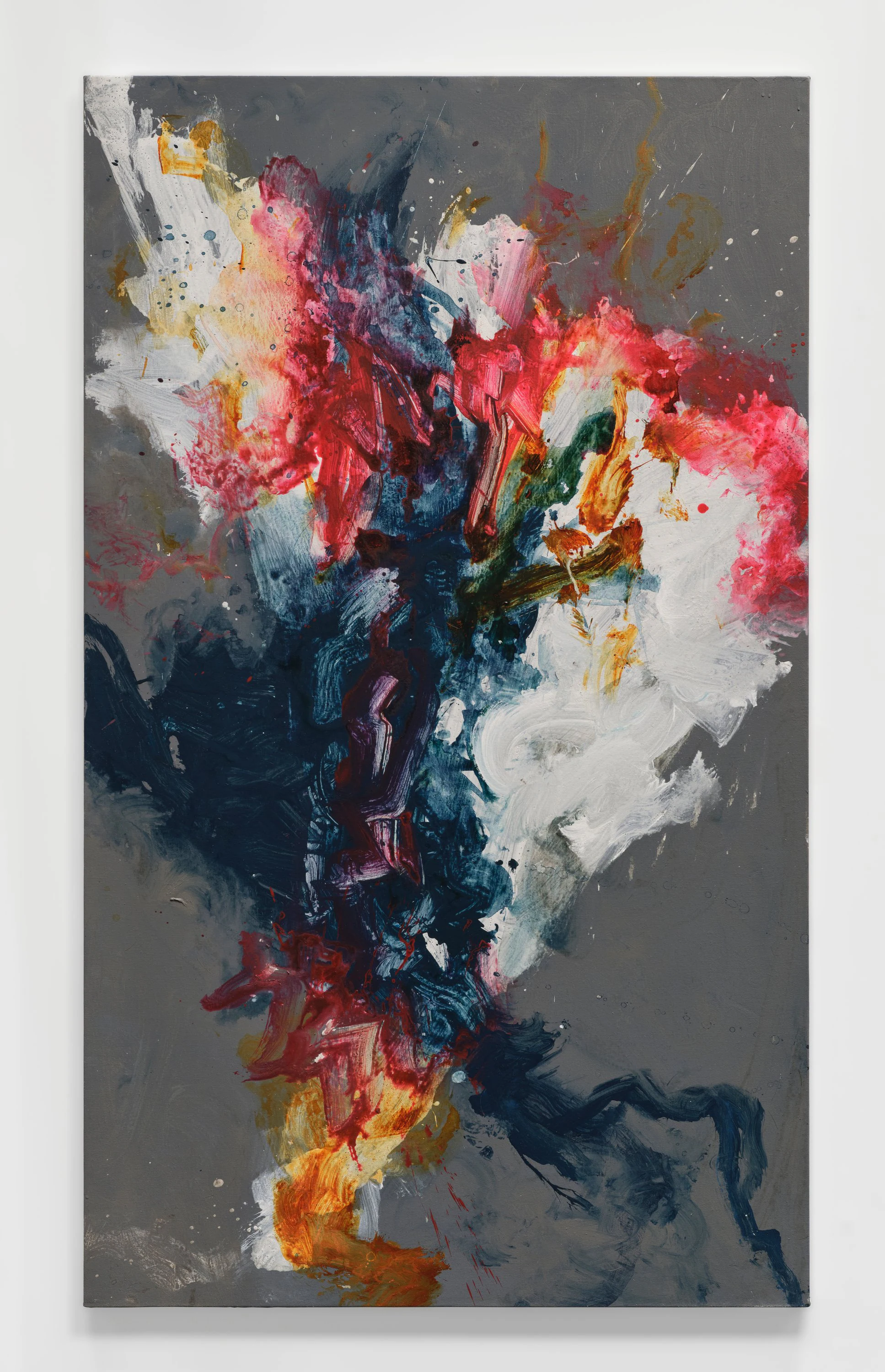
Alessandro Twombly’s painting does not present itself as image, but as field.
A field in which form is not yet resolved, but in the process of becoming:
a threshold where life begins to distinguish itself, without yet having separated.
What emerges is not a completed emotion, but its genesis.
An originary movement in which different forces — organic and mineral, fluid and dense — encounter one another, brush against one another, at times hold one another in suspension.
To observe these works is to enter a temporality of formation:
not what is, but what is happening.
It is as though matter preserves a memory that precedes form.
A memory belonging to an older mode of feeling, inscribed within the very structure of the living that exists in all things.
In the sculptures, this process condenses and becomes manifest.
Some forms stretch upward in an unstable verticality, like emergent forces seeking their own limit.
Others gather into forms that evoke mineral presences, as though they were custodians of the memory of primordial life — almost coral-like outcroppings, traces akin to fossils of a passage:
presences that have passed through life and preserve its silent resonance.
This is not representation, but transition.
— Marco Cestari
Alessandro Twombly (b. 1959, Rome) is an Italian-born painter and sculptor, whose exuberant paintings and textured sculptures reflect his intimate connection to his local surroundings, the countryside outside Rome where he lives and works.
Twombly is deeply familiar with the flora and fauna of the Italian countryside and understands the longer geological perspective which shaped the landscape. Describing this relationship, he says ‘I work with nature like another artist might focus on the nude,’ explaining that he uses nature as a point of departure to move beyond direct representation. Nature is shifted into a psychological abstraction, seemingly reflecting a state of mind through exuberant colours and bold brushstrokes which battle and blend on the canvas. This dynamism is the result of an energetic and varied method of painting; Twombly often rests the canvas on the floor and uses his bare hands to apply his broad and expressive brushstrokes. Twombly is a natural and skilled colourist, combining vibrant colours and layering them with precision, tone after tone to obtain varying nuances. In places, this direct application doesn’t allow the colours to mix and they sit next to each other in contrast, independent yet blended by the composition.
This intrinsic relationship with nature is also visible in his sculpture. The traces of his fingers on the raw material reveal his attempt to represent substraction as a form of abstraction, where the external image of nature is not his main model. The shapes of Twombly’s works present the ‘inside’ of nature that pushes something towards the light, which illuminates it and in doing so helps it appear.